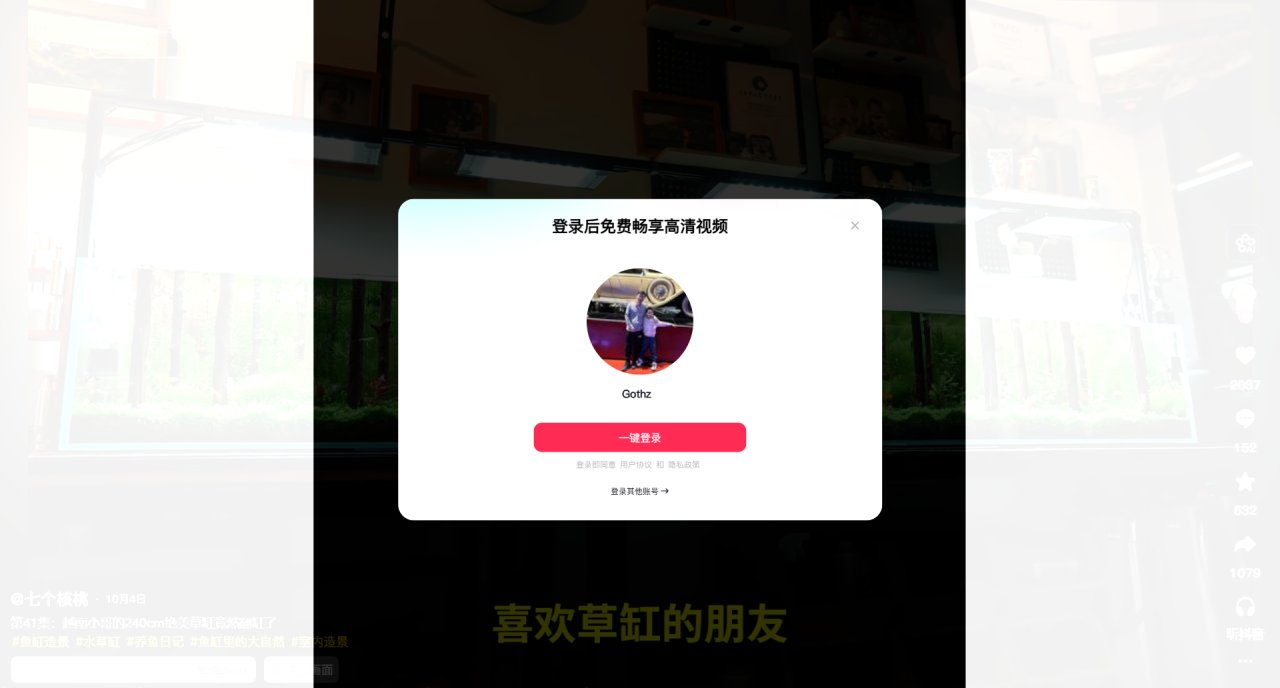
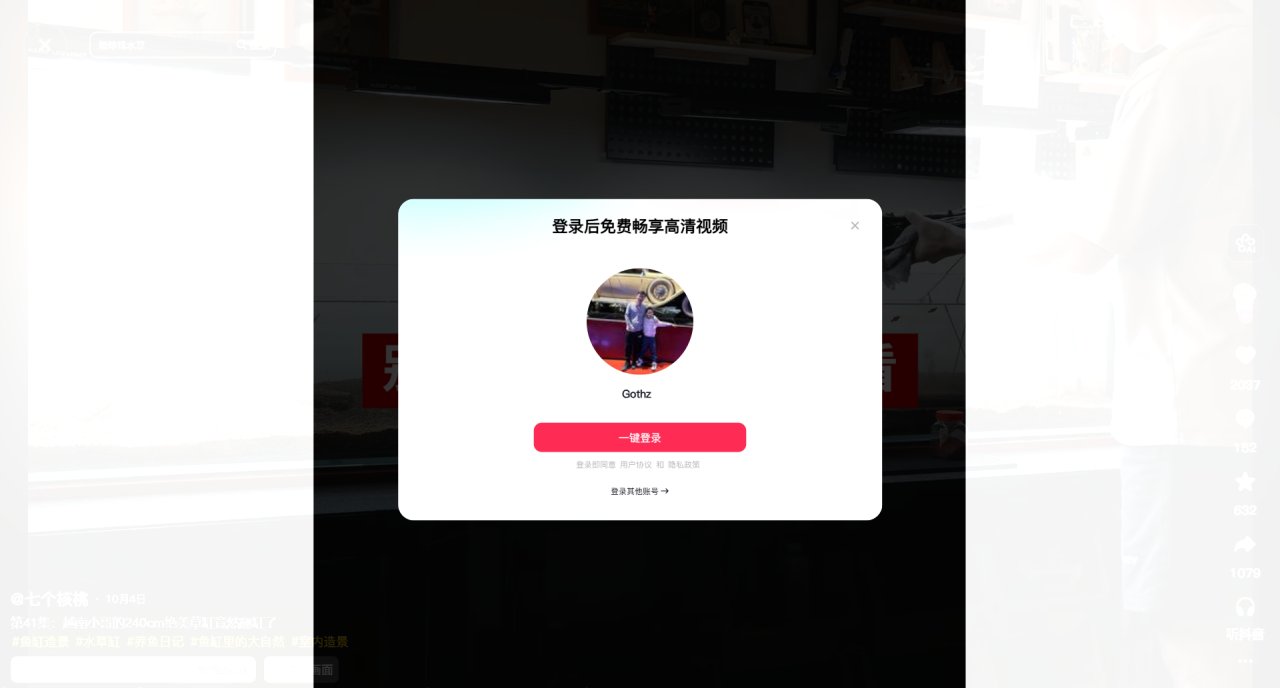
I was scrolling through a video about a Vietnamese aquascaper’s 240cm planted tank when the screen went dark. A white login box popped up, blocking the view. Behind it, dimmed but visible, a man in a white T-shirt reached into the water with a cloth, working on the glass. He wasn’t performing magic; he was cleaning. The interface asked me to sign in to see the rest. I didn’t. But that pause made me think about what we actually look at when we watch someone else’s hobby. We see the finished green carpet, the driftwood arranged like a forest, the fish darting through stems. We don’t see the hours spent scraping algae off the front pane. We don’t see the frustration when the ecosystem tips over and needs a full reset.
The Work Behind the Wonder
The comments section told the real story. People weren’t just admiring the beauty; they were calculating the cost. “Over one meter is tough,” one person wrote. Another noted, “Changing water is really tiring.” These aren’t complaints about the science; they’re observations about the labor. A planted tank isn’t a static picture. It’s a living system where waste from the fish has to be converted by bacteria in the substrate before plants can absorb it as nutrients. If you get the balance wrong, the tank crashes. The “reset” mentioned in the title—翻缸, or tearing down the tank—isn’t a casual tidy-up. It’s starting over. For a kid watching this, the lesson isn’t just biology. It’s that nature requires maintenance, and sometimes, failure is part of the process.
Questions That Don’t Stop
My niece watched this clip later, on her phone. She didn’t care about the login wall. She cared about the fish. “Do they remember?” she asked. Then, “Why are the plants growing if there’s no sun?” Then, “What happens to the dirt?”
These questions came out of order, which is how kids work. They jump from memory to light to soil because everything is connected to them. In a classroom, these might be separate units. On a phone, they’re one stream. She wanted to know why the water looked clear if there was so much going on underneath. I couldn’t answer fully. I don’t have a microscope in my pocket, and even if I did, showing her bacteria on a slide wouldn’t explain why the tank works.
Seeing the Invisible
That’s where Wwai fits in. It’s not a replacement for the tank, and it doesn’t promise to make her a better student next week. It’s a simulation. She opened the app and found a specimen slide that mirrored the substrate layer from the video. The AI tutor walked her through what she was seeing. It didn’t lecture. It asked, “What do you notice about the movement?” When she zoomed in, she saw the microscopic life doing the work the adults in the comments talked about. Converting waste. Cleaning the water. The tutor followed her lead. When she asked something the AI didn’t have an immediate answer for, it admitted that and suggested where to look next. She checked the conclusion herself. No fragile glass. No chemicals. Just the same question chain, answered with images she could control.
What It Takes, What You Get
There’s a trade-off here. Watching a video costs nothing but time, and it leaves you wondering about the details. Doing the actual hobby costs money, electricity, and physical effort. Using a simulation costs attention. It asks you to slow down and look at the small things. My niece spent twenty minutes on the app. She didn’t build a tank. She didn’t buy fish. But she understood, in a way she hadn’t before, why the man in the video was wiping the glass. The invisible work became visible. That’s not a grade improvement. It’s a shift in perspective.
She closed the app and went back to the video. The login wall was still there, but she didn’t mind. She had already seen what was behind it.