The Yellow Fog in the Tank and What It Means for a Kid’s Curiosity
Published: November 18, 2026 author: Meka
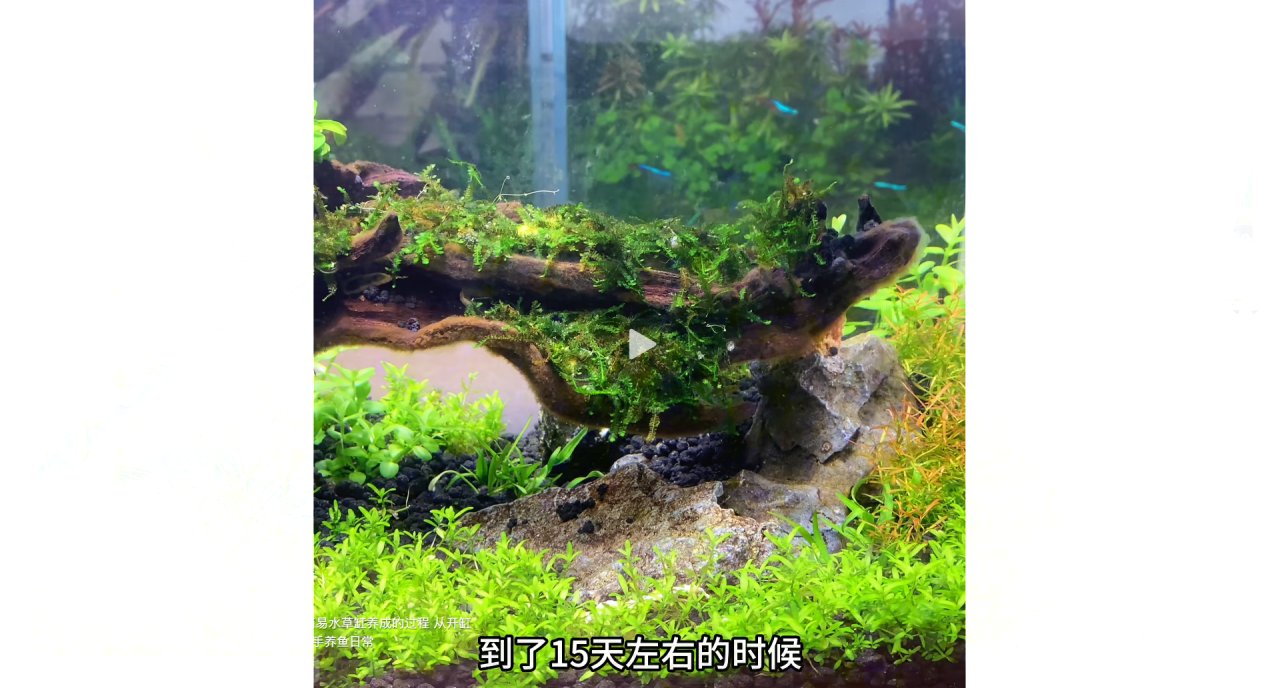
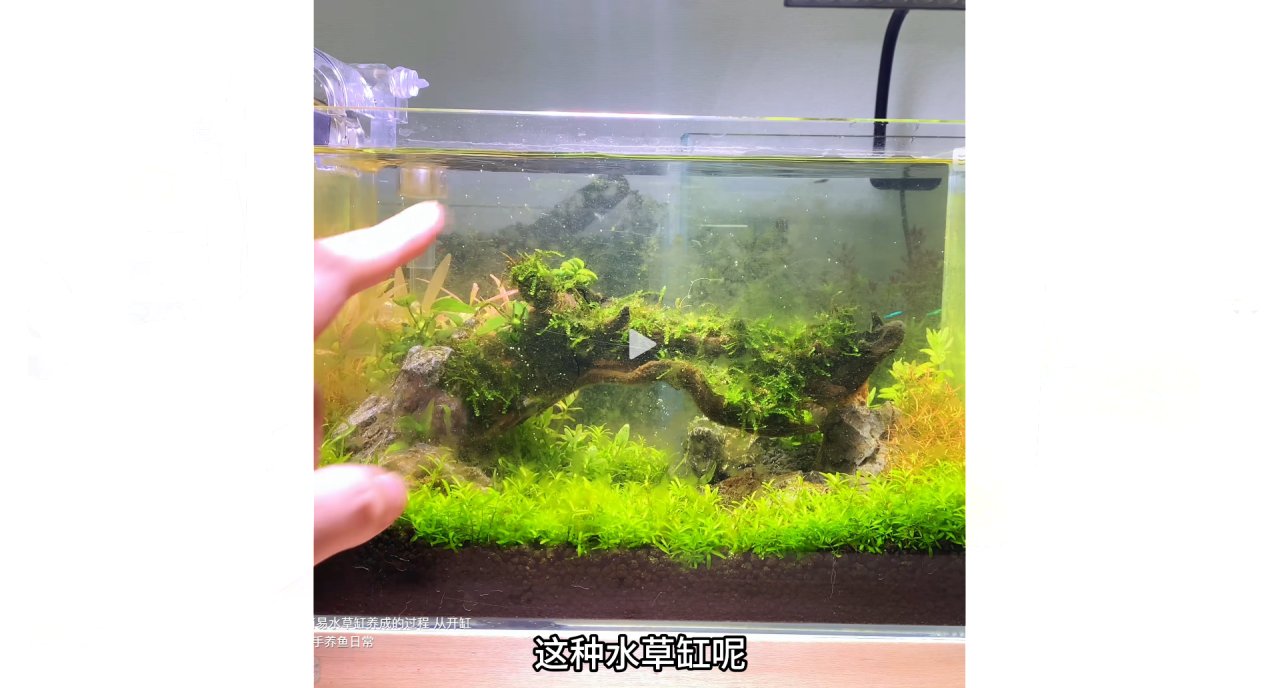
A hand reaches into the frame, index finger pointing at a twisted piece of driftwood that forms a small bridge over deep brown substrate. This isn’t a sterile lab; it’s a living record. The water has a yellowish haze, especially near the glass walls, signaling that the ecosystem is still settling. In the background, another tank glows with red and green plants and blue fish, hinting at a hobbyist’s corner in a quiet home. The caption reads “Episode 107,” documenting twenty-plus days from setup to algae control to adding shrimp. There is no perfect clarity here, only the messy, honest process of life finding its balance.
Questions That Don’t Line Up
Parents often ask me if their kids are ready for science. I tell them to look at the comments on videos like this one. They aren’t neat or sequential. One person asks, “Why haven’t my aquatic plants grown after 20 days?” Another replies, “Turn off the lights and add more shrimp.” Someone else worries, “They were sucked into the water pump.” These questions jump around—biology, mechanics, patience—because real curiosity doesn’t follow a syllabus. A kid watching this might wonder why the moss is green but the water is cloudy. They might ask if the filter is working or if the fish are happy. The order doesn’t matter. The asking does.
What Parents Hesitate About
Three concerns come up again and again in these communities. First, cost. People say they spent money on gravel and heaters and aren’t sure it’ll work. Second, complexity. “I didn’t add CO2, so it grows slowly,” one comment notes, reflecting frustration with invisible variables. Third, failure. “More than 90% of people eventually revert to basic setups,” another observes, suggesting that ambition often outpaces maintenance. These aren’t reasons to quit; they’re signs that the learning curve is steep but navigable. You don’t need to solve everything at once. You just need to keep looking.
Seeing What Isn’t There
The naked eye sees green moss and clear-ish water. But under closer inspection, there’s a world we miss. Algae, which causes those outbreaks, isn’t just dirt—it’s photosynthetic life competing for light and nutrients. When the tank is new, beneficial bacteria haven’t fully colonized the filter media yet. This is the nitrogen cycle: waste turns into ammonia, then nitrite, then nitrate. It’s invisible until it fails. A microscope reveals diatoms—the brown dust on glass—as individual cells with silica shells, not just smudges. Without magnification, you see a problem. With it, you see a process.
This is where Wwai fits in. It’s not a replacement for the tank, but a companion for the question. When a kid points at the screen and asks, “Why is the water yellow?” the AI tutor walks them through what’s happening at a scale the phone camera can’t capture. Digitized slides show bacterial colonies; high-res libraries reveal plant cell structures. No glassware breaks, no chemicals spill. The child opens the app themselves, follows prompts step by step, and keeps the inquiry alive even when the answer isn’t immediate.
Two Ways to Handle the Haze
One approach is to wait. Let the tank settle, change water gently, trust the biology. This builds patience and observation skills. The other is to intervene fast—add more shrimp, adjust lighting, buy new filters. This teaches troubleshooting and action. Neither is wrong. Some families thrive on waiting; others learn by doing. The key is consistency. If you choose to wait, explain why. If you act, document what changed. Either way, the kid learns that systems respond to time and care.
What it takes
What the kid gets
Time to observe daily changes
Understanding that ecosystems evolve
Willingness to tolerate messiness
Comfort with uncertainty and trial
Asking questions without needing answers now
Habit of inquiry beyond schoolwork
Try This at Home
You don’t need a tank to start. Take a drop of pond water or even tap water left in a bowl for a few days. Look at it with a simple magnifier. Then open Wwai and compare it to digitized samples of *Paramecium* (common name: paramecium) or algae filaments. Notice how movement differs. How size changes perception. How structure explains function. This isn’t about getting it right. It’s about seeing differently.
In the end, the yellow fog clears—or it doesn’t. The shrimp survive—or they don’t. But the kid who asked why the water was cloudy before it turned green? They’re still asking. And that’s enough.