The Cat Named Future and the Microbes on Your Hands
Published: November 25, 2026 author: Meka
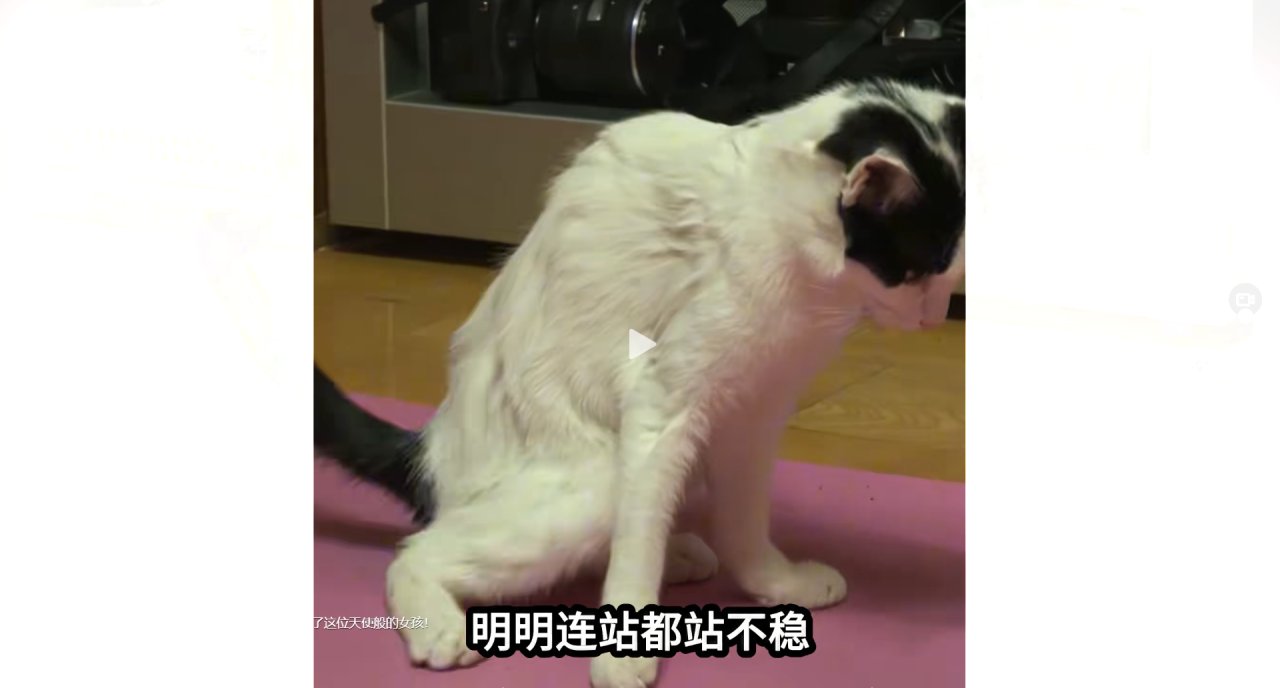
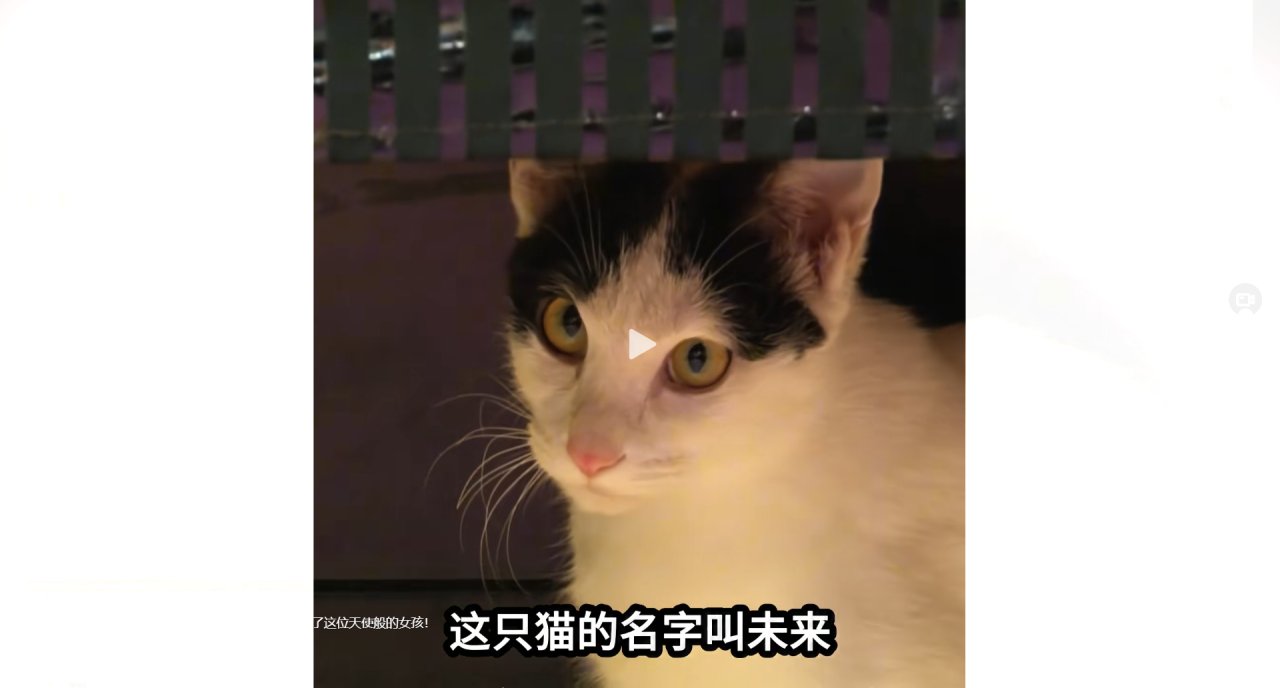
It was late afternoon when my daughter showed me a video on her tablet. A black-and-white cat, named “Future,” stared through a fence. The lighting was warm, yellowish, contrasting with the purple dark behind it. Her eyes were amber, wide and unblinking. The caption read: “This cat’s name is Future.” I watched for ten seconds, then looked away. The story was about abandonment, rescue, kindness. It made me feel tired in a way that wasn’t physical. My daughter didn’t look away. She asked, “What’s living on his fur?”
I said, “Dust. Maybe some bacteria.”
She said, “Can we see them?”
Seeing What Isn’t There
We couldn’t get a real microscope out of the closet without breaking something fragile. So she opened Wwai on her phone. No glass slides, no chemicals to spill. Just a screen. She picked a digitized specimen slide labeled “cat fur sample.” The AI tutor walked her through it. Not by giving answers, but by asking what she saw first. She zoomed in. Past the hair shafts. Into the gaps between them.
There were shapes there. Small, round things. Rods. Clumps. The tutor said these were likely *Staphylococcus* and *Bacillus* species, common skin microbes. It didn’t promise certainty. It said, “These are typical for mammals. But your cat might have different ones.” My daughter checked. She compared the image to another slide from the library. She found differences. She didn’t need me to confirm if she was right. She just kept looking.
Questions That Don’t Line Up
“Why don’t they hurt him?”
“Do they eat his skin?”
“If I touch him, do I get them too?”
The questions came out of order. One led to the next, not because of logic, but because of worry. The tutor answered each one briefly. Yes, most are harmless. Some help. Some wait. Touch transfers them, but washing helps. It didn’t lecture. It stayed beside her question, letting her sit with the uncertainty.
Reservations Parents Have
Three things parents often say when kids start using simulation apps like this:
1. “Isn’t this fake?” It is simulated. But the images are high-resolution scans of real specimens. You’re seeing actual structures, not cartoons. 2. “Will he learn nothing useful?” He learns how to look. How to ask. How to check. That’s more durable than memorizing names. 3. “Doesn’t this replace school labs?” No. It doesn’t touch a pipette or stain a slide. But it lets you practice noticing before you’re worried about breaking equipment.
Two Ways to Look
One way is to treat science as facts to collect. What is this? Name it. Move on.
The other is to treat it as a conversation. What does this remind you of? Why might it be here? What else could it be?
My daughter started in the first mode. Then shifted. She began comparing slides. Asking why one had more rods than the other. Wondering if the cat’s diet changed. This second mode isn’t better. It’s just slower. And quieter. It leaves room for doubt.
Try This at Home
You don’t need an app to start. Take a white sheet of paper. Hold it under bright light. Rub your thumb across it gently. Now hold it up against the window. Do you see specks? Not dirt necessarily. Skin cells. Oils. Tiny fibers from clothes. These are the same kinds of things that live on animals. They’re everywhere. On your hands. On the fence. In the air.
If you want to go further, use a magnifying glass. Or open Wwai. Let your kid pick a slide. Ask them what they see. Then ask what they think it means. Wait. Don’t fill the silence.
Distance and Memory
I remember being eight, standing outside a museum, unable to go in because my shoes were wet. I pressed my face to the glass case anyway. Saw beetles pinned under lights. Didn’t know their names. Didn’t care. Just liked that they were still, and I was moving.
That feeling—being close enough to see, far enough to stay safe—is what the app gives. Not access to a lab. Access to attention.
The cat named Future is gone now, rescued into someone’s home. My daughter closed the video. She left the app open. Zoomed in on a bacterium shaped like a comma. Didn’t say anything. Just watched it float in the digital field.