The fish’s scales stood up, and the comment section held its breath
Published: November 25, 2026 author: Meka
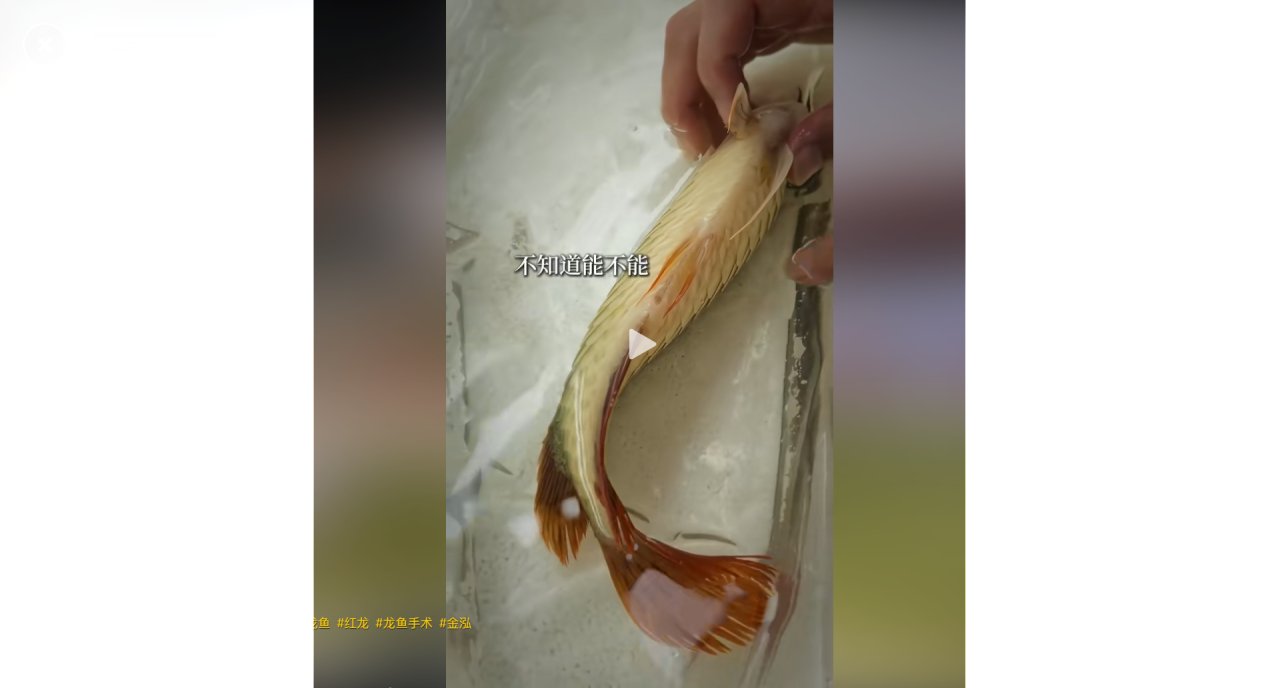
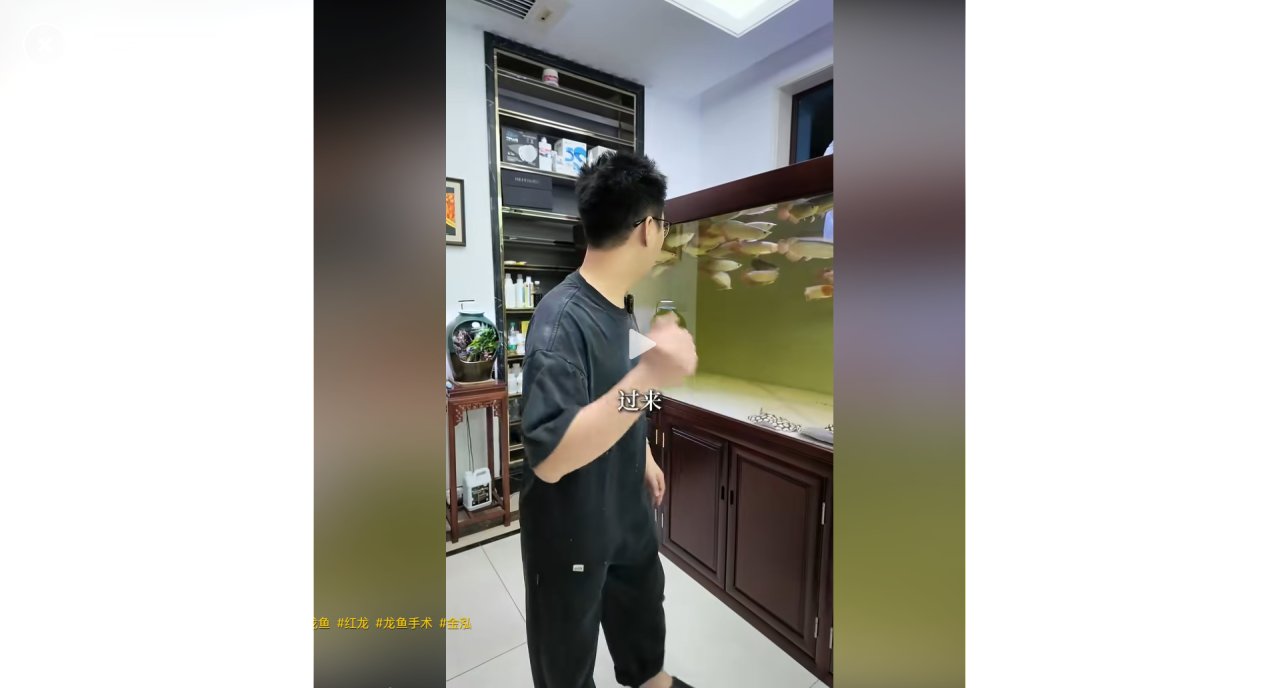
The video cuts to a room with pale square tiles and a large tank glowing yellow. A man in a gray T-shirt stands sideways, pointing into the water. “Come here,” the subtitle reads, though he is talking to a sick Asian arowana (*Scleropages formosus*). Its scales are flared out like pinecones, a visual alarm that stops you mid-scroll. In the comments, people aren’t just watching; they’re asking if it can survive being dug out, or if the stomach bag was what got sucked out. One person writes, “Mine had pinecone scales too.” Another asks, “Why is the fish still alive after...” The anxiety isn’t about the fish dying; it’s about not knowing why it happened. You see the problem, but the mechanism stays hidden behind the glass.
What the eye misses
Pinecone disease looks dramatic, but the cause is often invisible to the naked eye. It’s usually a bacterial infection affecting the lymphatic system, causing fluid buildup under the scales. The bacteria are microscopic, so you can’t see them swimming around the tank. You only see the result: the fish looking puffed up and distressed. This gap between the visible symptom and the invisible cause is where confusion lives. Adults worry about water quality or feeding errors, while kids might just wonder if the fish is angry. Without seeing the tiny organisms involved, everyone is guessing.
The kid checks the conclusion
That’s where Wwai fits in. It doesn’t replace the vet or the real microscope, but it lets a child look closer at the biology without the risk of handling fragile slides or
chemicals. On a phone screen, the AI tutor walks through what’s happening on the digitized specimen. If the kid asks why the scales lift, the tutor explains the fluid pressure, step by step. Sometimes the tutor admits it doesn’t have the answer, prompting the child to check another source. It turns the passive act of scrolling past a sad fish into an active hunt for the *why*.
Three questions from the feed
The comments reveal three common hesitations. First, “Can it survive being dug out?” This reflects fear of invasive treatment. Second, “Was what got sucked out the stomach bag?” This shows confusion about anatomy versus pathology. Third, “This tank is truly cursed.” This highlights how superstition fills the void when science isn’t explained. Parents often feel torn between wanting their kids to learn and fearing the graphic nature of illness. But avoiding the topic doesn’t remove the curiosity; it just leaves it unaddressed.
What it takes | What the kid gets ---|--- Five minutes of scrolling | A question about lymphatic fluid No glassware cleanup | An explanation of scale structure A safe digital space | Confidence to ask “why”
Look at your own hands
You don’t need a lab to start this kind of thinking. Try this: wash your hands thoroughly, then hold them under a bright light. Look at the skin texture. Now, imagine that same surface magnified a hundred times. That’s what the microscope view offers. You can discuss with your child what might be living there—bacteria, dead skin cells, oils. It’s not about finding germs to fear; it’s about understanding the ecosystem on our bodies. The same logic applies to the fish. The scales are just a larger version of the skin we all have.
The video ends with the man still pointing, waiting for a response from the fish. The screen goes dark, but the question lingers.