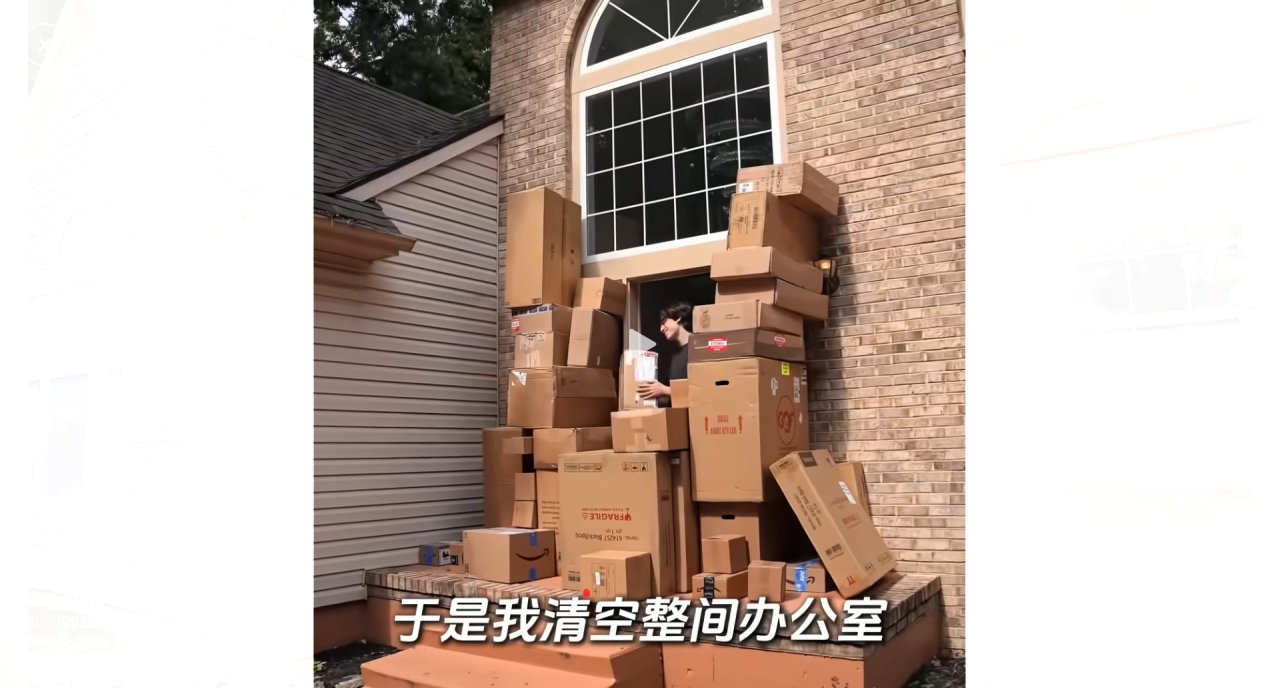
A man stands in a doorway, buried under a pyramid of brown cardboard boxes. The light is warm, late-afternoon gold hitting the beige brick wall behind him. He’s holding one small square box, head down, focused on the task. The caption reads, “So I cleared out the whole office.” It looks chaotic, almost absurd—a person trying to move everything at once while the world piles up around him.
It reminds me of how science starts for kids. Not with a clean lab coat, but with a mess. A pile of questions. A desire to see what’s inside the box before you can even lift it.
What’s Actually Inside?
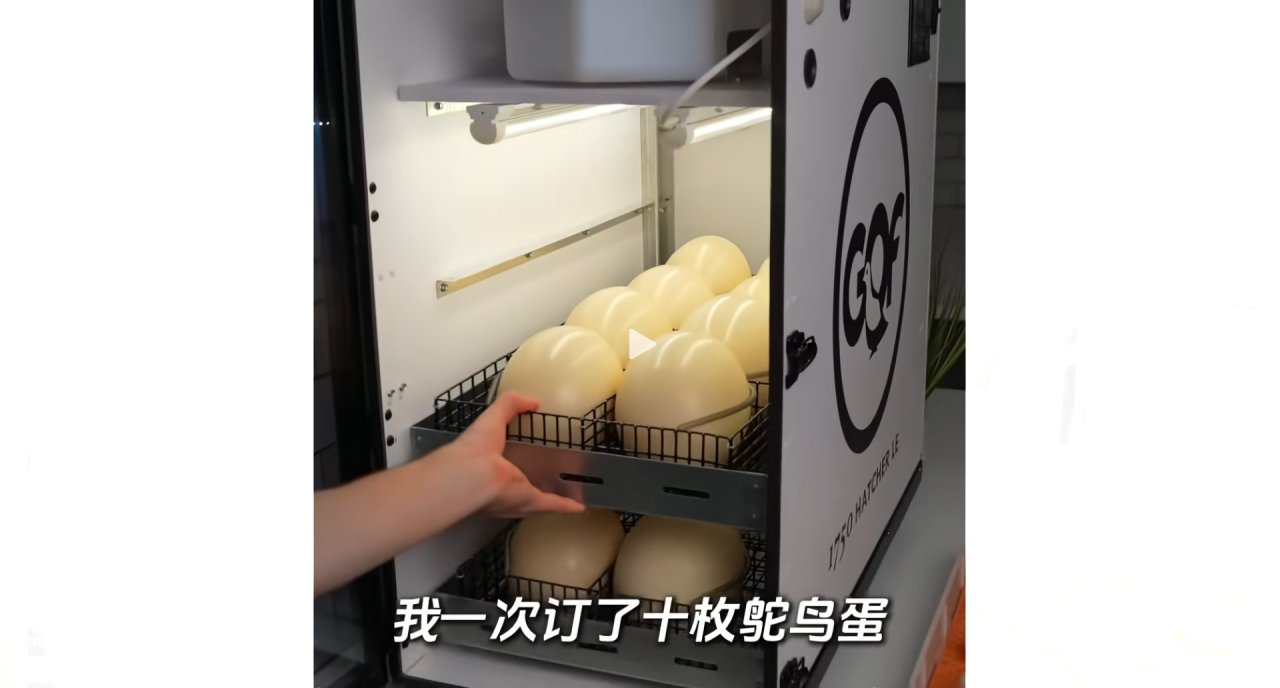
In the video that follows this scene, the creator tries to hatch duck, quail, and ostrich eggs. He wants to know which makes the best pet. The comments are full of people asking about the smallest egg, debating if it’s a hummingbird or something else. One person asks, “Shouldn’t the smallest one be a hummingbird egg?” Another points out, “Snake eggs aren’t bird eggs.”
These questions don’t come from a textbook. They come from looking closely. From wondering why one thing is different from another. When a kid sees a tiny speck on a leaf or a weird shape in a drop of pond water, they ask the same kind of messy, urgent questions.
Seeing Without Breaking
This is where Wwai comes in. It’s an app that puts a microscope on your phone. No glass slides to break, no chemicals to smell. Just a digital library of specimens. A kid opens it, taps on a leaf or a bug wing, and the AI tutor walks them through what they’re seeing. If the kid asks, “Why is it green there?” the tutor explains the chloroplasts. If the kid asks something the app doesn’t know, it says so. The child checks the answer. It’s not magic; it’s just a tool that lets them look closer without needing a lab bench.
The Parent’s Pause
Parents often worry about screen time or whether this counts as “real” learning. But look at the comments again. People aren’t asking for grades. They’re asking about the black duckling (“Isn’t that just the Ugly Duckling?”). They’re worried about separation (“Aren’t you sad after sending them to nature?”).
The hesitation isn’t about the science. It’s about the feeling. Is it okay to let a kid get obsessed with a tiny thing? To spend twenty minutes staring at a simulated cell instead of doing homework? Yes. Because that obsession is the start of understanding.
Try This Tonight
You don’t need an app to start. Grab a leaf from the yard. Put it under a magnifying glass or use your phone camera’s macro mode. Look at the edges. Are they smooth or jagged? Now open Wwai and find a slide of a similar leaf structure. Compare them. Ask the kid: “What do you think those little dots are?” Let them guess. Let them be wrong. Then let the tutor show them the stomata—the pores that breathe.
The Quiet Moment
The man in the doorway finally gets the last box out. The path is clear. But he doesn’t walk away immediately. He looks back at the empty space. That’s the moment we want for our kids. Not the finish line, but the pause after the discovery. The quiet realization that there’s always more to see.