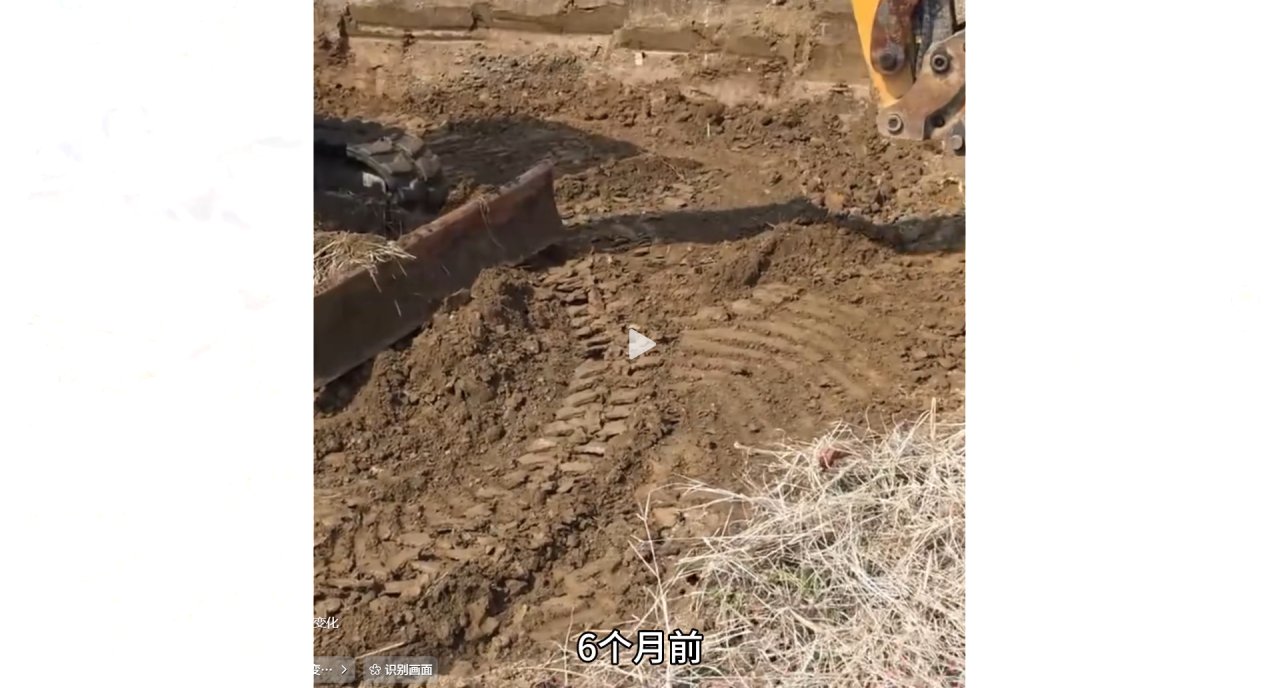
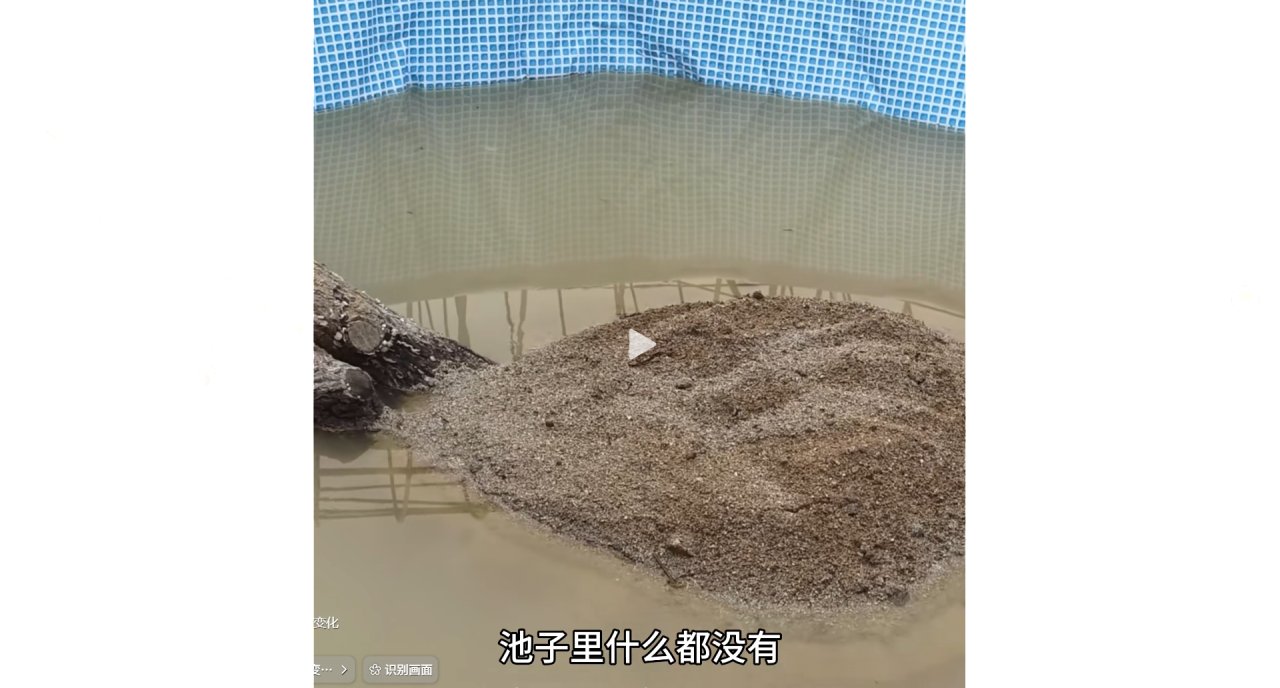
Nine months of muddy water and a bare branch reveal what patience looks like
Published: November 25, 2026 author: Meka
The screen shows a blue tarpaulin pool, the water a thick, opaque yellow-brown. A single rough tree branch juts in from the left, its end resting on a small mound of sand and gravel that rises above the surface. The caption reads, “There is nothing in the pond.” It’s episode 736 of a series where someone spent nine months watching this simple setup change. There are no fish yet. No frogs. Just dirt, water, and time. The comment section is full of people asking, “Where are the fish?” or insisting, “Bird droppings often contain fish eggs.” They want the payoff now. But the video just sits there, showing the empty stage before the actors arrive.
Waiting for the invisible
We tend to think of ecosystems as things you buy and install. You go to the store, get the tank, add the plants, drop in the fish. Done. But nature doesn’t work on a retail schedule. In that muddy pool, the first life forms aren’t visible to the naked eye. They’re bacteria and protozoa, breaking down the organic matter in the soil. The cloudiness isn’t dirt; it’s biology happening at a scale we can’t see without help. The parents commenting are right to be curious, but they’re missing the point: the miracle isn’t the fish appearing later. The miracle is the water becoming alive enough to support them. That process takes months, not minutes. It requires us to sit with the uncertainty of an empty container and trust that life finds a way in.
Seeing the unseen together
This is where Wwai fits into the evening routine. It’s not about replacing the real world, but about giving a kid the tools to ask better questions while waiting for the real world to deliver. My son opened the app after dinner, pointing at the slide library. He didn’t want a lecture; he wanted to know why the water was brown. The AI tutor walked him through a simulated view of the sediment, zooming in on the kind of bacterium that thrives in those conditions. It wasn’t perfect—the tutor stumbled once, clarifying that it couldn’t identify every microbe—but it kept the question open. He asked if the birds would come next. We didn’t have the answer. We just looked at the simulation, then back at the empty yard outside our window, wondering what might show up by spring.
Three doubts, three answers
One common worry is that digital tools make kids passive. But here, the child had to drive the inquiry. Another concern is accuracy. Yes, simulations simplify reality. But they allow you to see the mechanism—the bacterial breakdown—without needing a lab. Finally, some ask if it’s worth the screen time. Compared to scrolling through short videos that promise instant gratification, spending twenty minutes exploring a microscopic ecosystem feels slower, but it builds a different kind of attention. It teaches the value of observation over consumption.
What it takes, what it gives
What it takes
What the kid gets
Time to wait for results
Patience with uncertainty
Questions without immediate answers
Comfort with not knowing
Attention to small details
Awareness of hidden systems
The branch in the video hasn’t moved in nine months. The water still looks muddy. But inside that mud, something is working. Science isn’t always a bang. Sometimes it’s just quiet decomposition, happening out of sight, until one day, you look closer and realize the emptiness was never really empty.