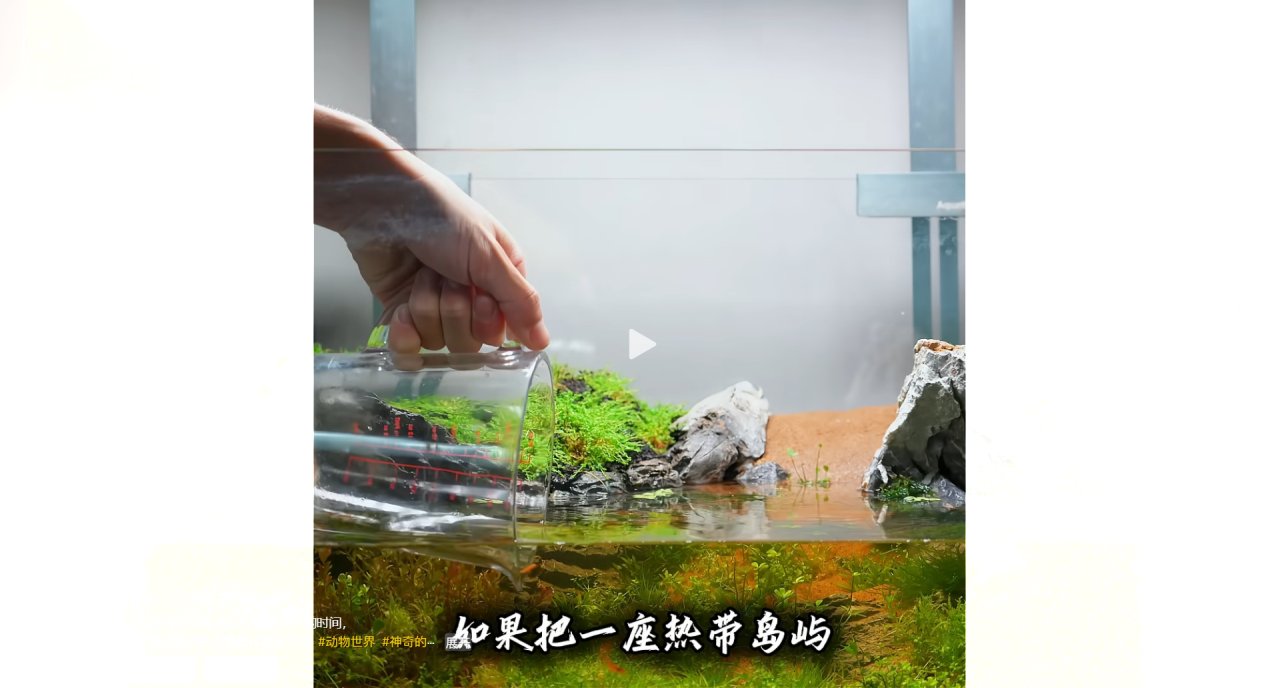
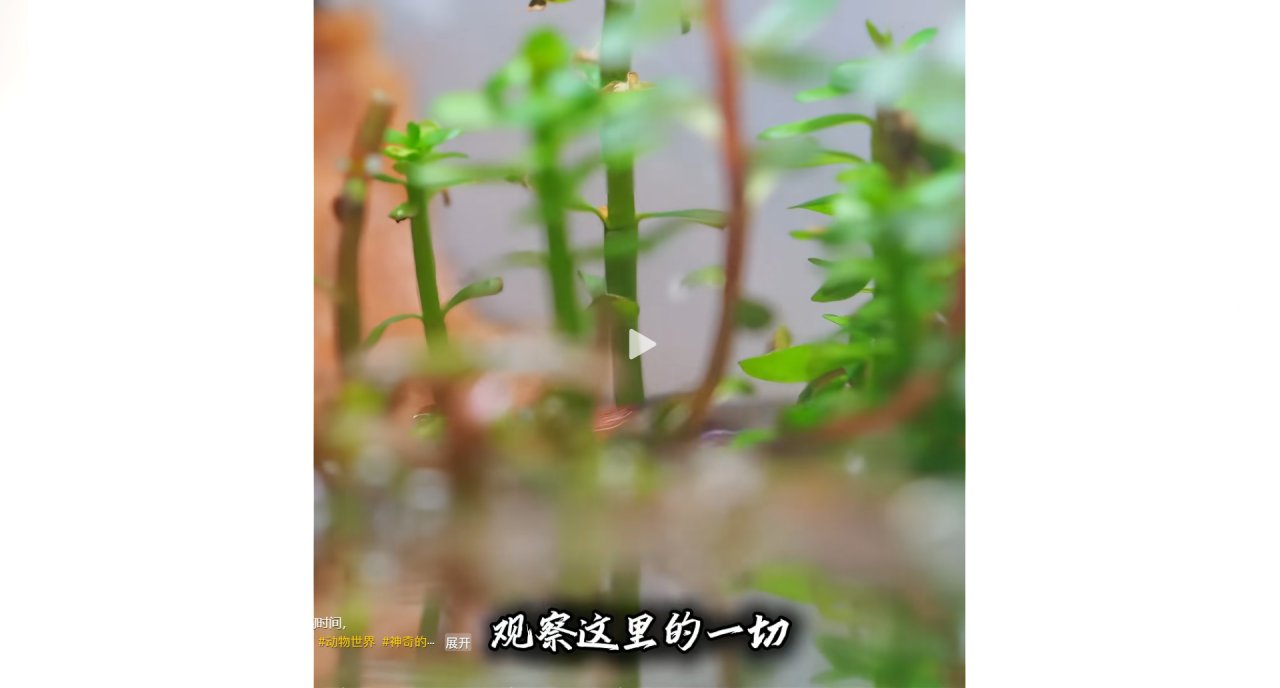
The video is quiet, almost too still for a platform built on noise. A macro lens focuses on a single green stem rising from damp substrate, its nodes tinged with red-brown against a blurred orange background of driftwood or clay. The caption reads “observe everything here,” inviting you to look past the plant’s silhouette into the invisible work happening at its base. This isn’t just landscaping; it’s a sealed ecosystem left alone for forty days to see if life finds a way to balance itself without human intervention. What strikes me isn’t the growth, but what we miss when we watch only the visible parts. The real story happens in the water film clinging to those stems, where bacteria and protozoa are busy breaking down waste and feeding the roots, a process entirely hidden from the naked eye.
Where the Real Action Hides
We tend to think of an ecosystem as the plants and animals we can point to. But in a closed system like this glass island, the stability depends on organisms so small they defy direct observation. If you were to zoom in on that moist substrate, you wouldn’t just see dirt. You’d see a dense, swirling community of microbes processing organic matter. Without them, the plants would starve in their own waste. The visual calm of the video masks a frantic biological labor below the surface. It’s a reminder that health in any system, whether a jar or a household, often relies on things we don’t notice until they’re gone.
Seeing the Invisible
This gap between what we see and what matters is exactly where Wwai fits in. It’s not about replacing the wonder of watching a real tank evolve, but about letting a child inspect the unseen machinery behind it. When my nephew opened the app, he didn’t start with a lecture. He picked a digitized slide of pond water and asked why it looked cloudy. The AI tutor didn’t give him a textbook definition. Instead, it walked him through magnifying specific particles, distinguishing between debris and moving ciliates. He stayed with it because the tool let him verify his own guesses, checking if that tiny blur was actually alive before accepting the explanation.