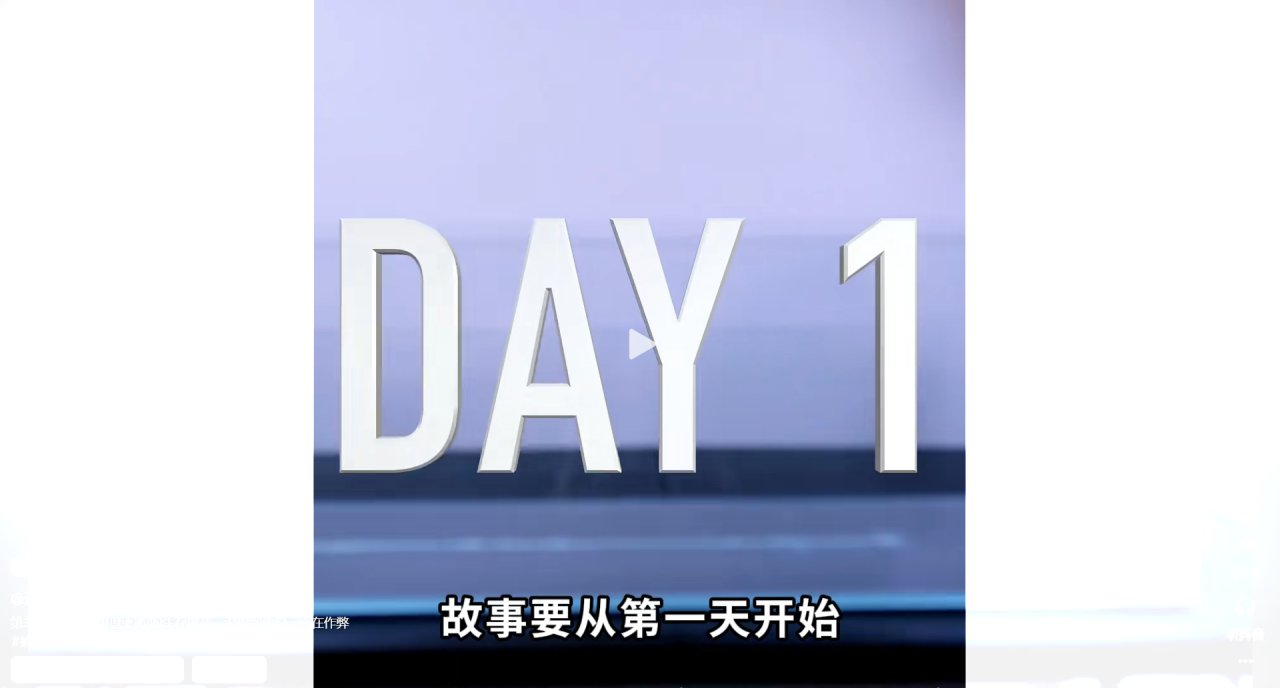
The screen paused on a stark white “DAY 1,” floating over an empty acrylic container with deep blue substrate. It looked like a blank page waiting for ink. Behind it, the caption read, “The story starts from day one.” You could almost hear the hum of the room before the first ant appeared. There was no movement yet, just the cold promise of observation. The light was even, slightly cool, casting faint reflections on the glass walls. It felt less like entertainment and more like a laboratory notebook opening up. The anticipation wasn’t about who would win, but about what they would do when left to their own devices.
What the Comments Said
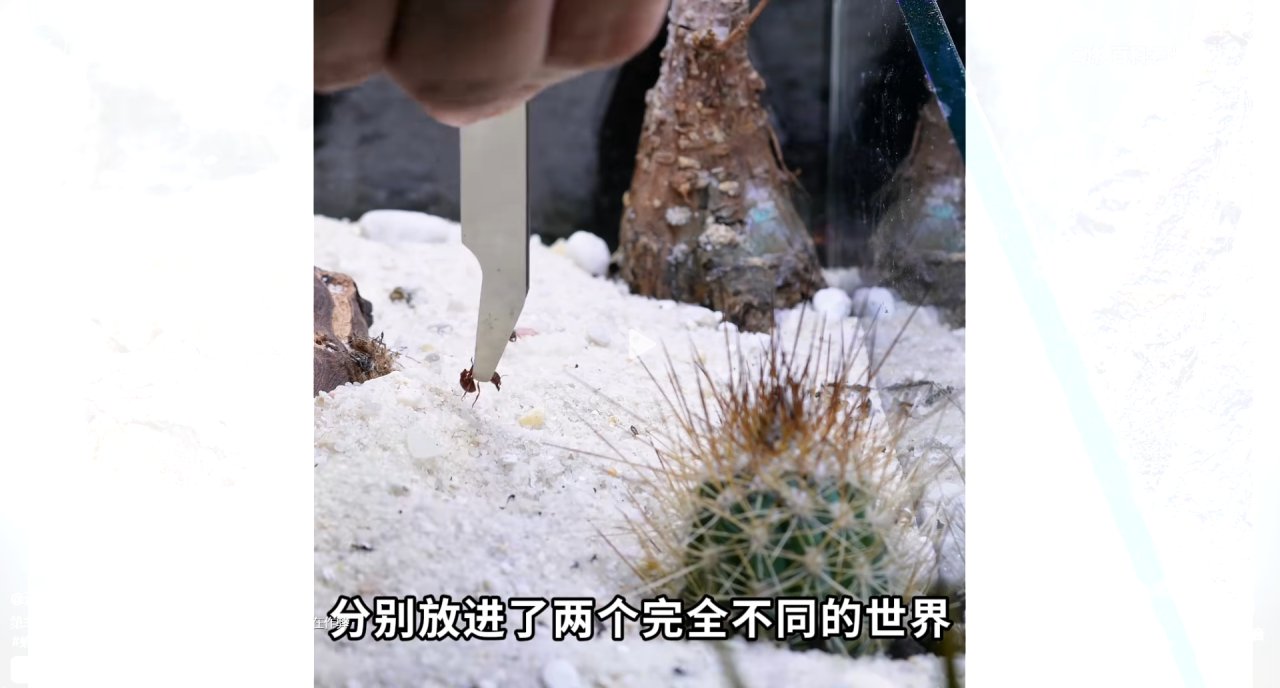
People watched those tiny creatures navigate the gap and immediately started guessing. One comment asked, “Ants building a bridge? I can’t believe they have…” Another speculated, “I’m guessing the red ants are fire ants.” Someone else wondered, “If humans go extinct, will ants take over the world?” These weren’t just idle thoughts; they were attempts to map human logic onto insect behavior. Parents often worry that this kind of content is too chaotic or reposted without context. But the engagement shows something else: people want to understand the mechanism, not just see the drama.
The question chain unfolded naturally in the comments. First, “Why didn’t you add water to separate them?” Then, “Are ants like us humans?” Finally, “Ants: Am I being set up?” Each question pulled the next, messy and out of order. This mirrors how a child’s curiosity works. It isn’t linear. It jumps from species identification to ethical questions about manipulation, then back to biological capability. The confusion isn’t a flaw; it’s the starting point of inquiry.
Seeing Without Glassware
Wwai sits on the phone, turning that passive watching into active looking. A kid opens the app himself, selecting a specimen slide from the library. He doesn’t need fragile glass or chemicals. The AI tutor walks him through what’s on screen, step by step. When he asks why the ants formed a bridge, the tutor explains the pheromone trails visible under high-resolution magnification. Sometimes the tutor doesn’t have the answer, and the kid