The Panda’s Green Stain and the Microbe You Can’t See
Published: November 20, 2026 author: Meka
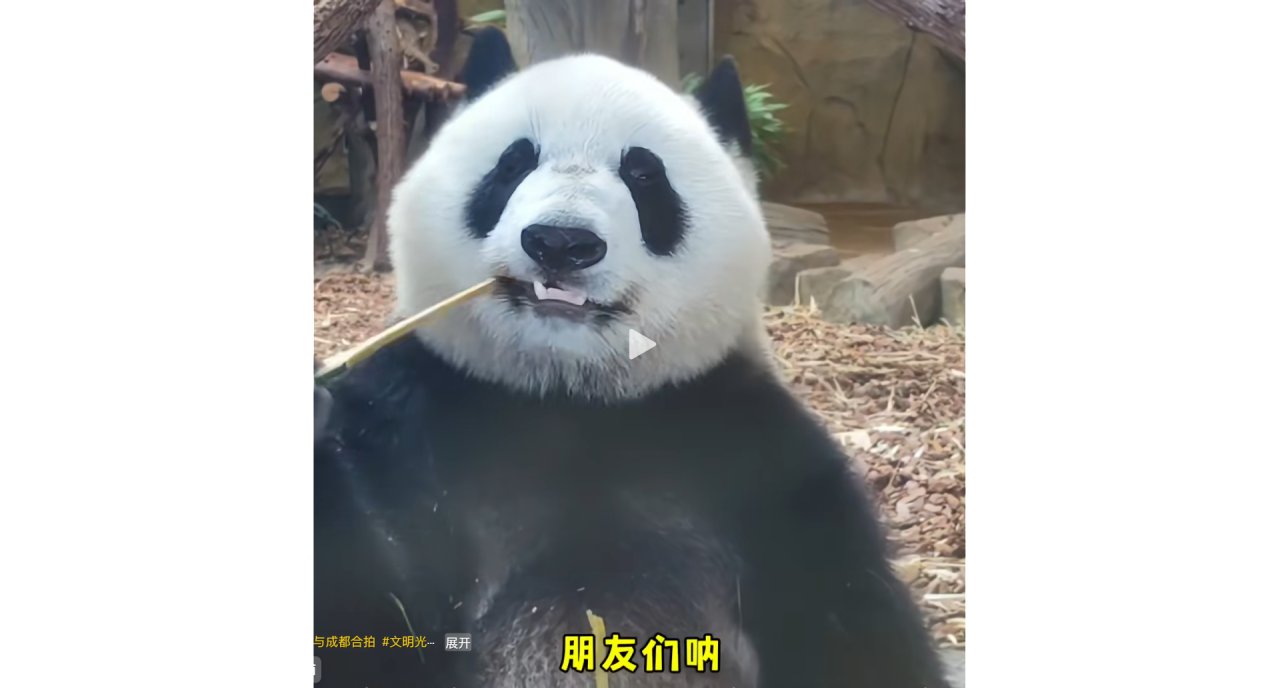
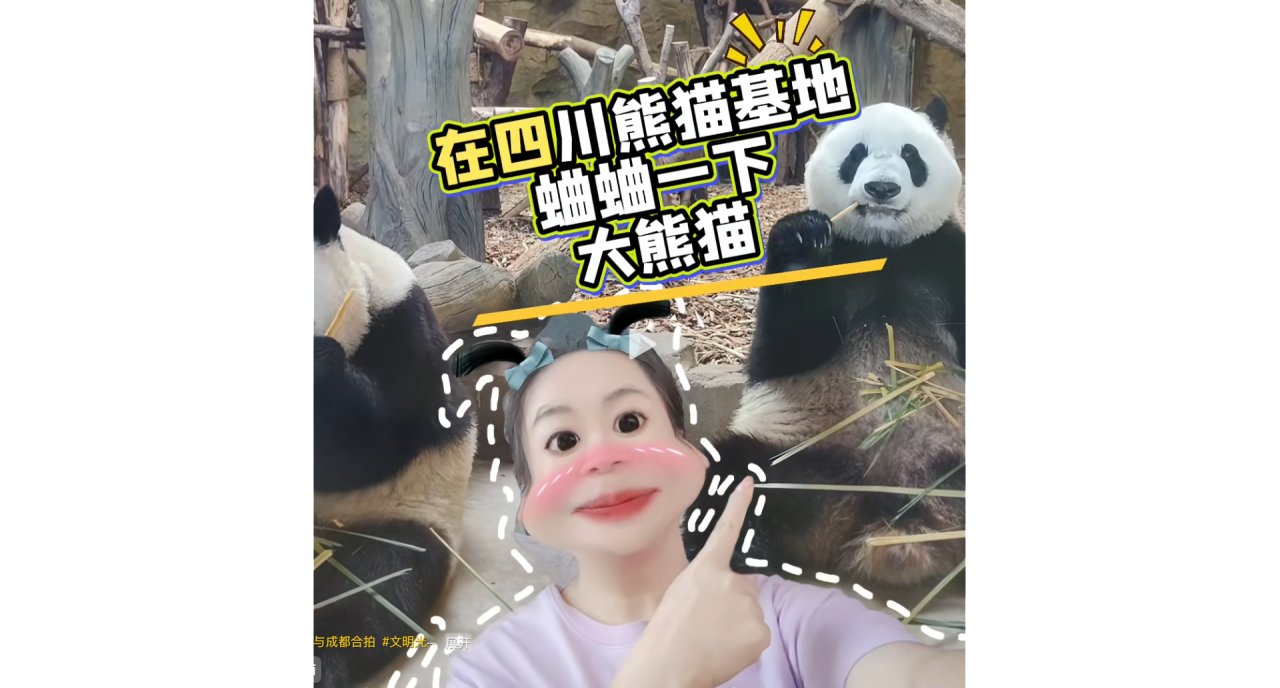
A girl in a lavender shirt points at a giant panda (*Ailuropoda melanoleuca*) on a phone screen, her face distorted by cartoon filters, while behind her two real bears sit against rough gray rocks. One holds green bamboo stems with both paws, chewing methodically; the other has a thin twig in its mouth, looking straight into the lens. The video title flashes yellow: “Chirping about pandas at Sichuan Base.” It’s playful, chaotic, and very specific. But what strikes me isn’t the humor or the cute bear ears overlaid on the girl’s head. It’s the bamboo. That fresh green color is the only thing visible to the naked eye. Everything else—the actual digestion, the bacterial work happening inside that black-and-white gut—is hidden. We see the animal eating; we don’t see how it survives.
What the Eye Misses
Giant pandas are carnivores in disguise. Taxonomically, they belong to the order Carnivora, close to dogs and bears. Yet their diet is 99% bamboo. This mismatch creates a biological puzzle that parents often overlook when focusing on the cuteness factor. A panda’s digestive tract is short, like a meat-eater’s, not long and complex like a cow’s. So how do they extract energy from tough, fibrous stalks? They rely on microbes. Inside their guts live specialized bacteria, including species of *Clostridium* and *Escherichia*, which help break down cellulose. Without these tiny workers, the bamboo would pass through largely undigested. The green stain on their fur? That’s just plant matter. The real action is microscopic, invisible, and essential.
Three Questions Kids Ask
My nephew watched this same clip last week. He didn’t care about the taxonomy. He asked, “Why does he eat so much?” Then, “Does his tummy hurt?” And finally, “Can I see the germs?” These questions aren’t random. They follow a chain: observation
leads to concern, then curiosity. Adults tend to answer the first question with facts (“They need calories”), skip the second (“No, it’s normal”), and dismiss the third (“You can’t”). But the third question is the one that matters. It’s where science begins—not in the answer, but in the desire to look closer.
Seeing What Isn’t There
We can’t put a panda under a microscope at home. Obviously. But we can simulate the view. Wwai lets kids explore digitized specimen slides on a phone screen. No glassware, no chemicals, no risk of breaking something expensive. When my nephew opened it, he wasn’t told to study. He was shown a slide labeled “gut flora sample” (simulated, of course). The AI tutor walked him through what he saw: rod-shaped structures, some clustered, some single. He asked if those were the “bad guys.” The tutor explained that most bacteria aren’t bad—they’re helpers. He zoomed in, moved around, checked his own conclusion against the prompt. It wasn’t a lesson. It was an investigation. He spent twenty minutes on it, not because he had to, but because he wanted to know if the shapes matched what he’d imagined.
Parents’ Real Hesitations
I’ve heard three common worries from friends. First: “Is it just a game?” It looks like play, but the content is grounded in real biology. The specimens are based on actual microscopy data. Second: “Will it replace school learning?” No. It doesn’t touch curriculum standards. It offers context—what things look like up close—that schools rarely have time for. Third: “What if he gets bored?” That’s possible. But boredom here is different from boredom in class. If he quits, he’s choosing not to look further. That’s agency, not failure. And honestly, sometimes quitting is part of learning.
Bamboo Leaves on the Floor
Back in the video, dried leaves scatter across the ground near the pandas. In the app, there’s a slide showing leaf cross-sections—cell walls thick with lignin, stomata open for gas exchange. My nephew compared them side-by-side. He said, “The real one is messy. The picture one is clean.” He was right. Science organizes chaos into patterns. But the pattern only makes sense if you remember the mess came first.
He closed the app after lunch. Didn’t say anything profound. Just went back to playing with his toy cars. But later, when we passed a houseplant, he pointed at a brown spot on a leaf and said, “That’s probably dead cells.” Not a diagnosis. Just an observation. Small, quiet, and enough.